The State of the Art on .NET
Published August 4th, 2010 Under Unit Testing | Leave a Comment
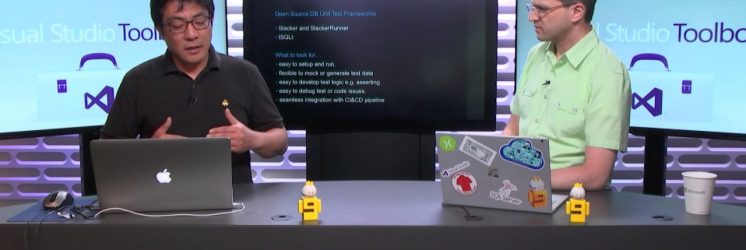
Amanda Laucher and Josh Graham present at an introductory level some of the most important elements of the .NET ecosystem: F#, M, Boo, NUnit, RhinoMocks, Moq, NHibernate, Castle, Windsor, NVelocity, Guerilla WCF, Azure, MEF.
http://www.infoq.com/presentations/The-State-of-the-Art-on-.NET
Mercurial on BigTable
Published October 27th, 2009 Under Configuration Management | Leave a Comment
Project Hosting on Google Code is a web-based platform for open source development, providing mailing lists, an issue tracker, a source code repository, download areas, and so on. This talk will focus on a new version-control component of Project Hosting on Google Code: Mercurial backed by Bigtable. Mercurial/Bigtable is designed to scale over thousands of machines and use Bigtable’s replication to run over multiple datacenters. It is built to be able to host hundreds of thousands of open source projects. Come learn about Mercurial’s architecture, and how we’ve extended it to grow to “Google size”.
NOSQL Meetup San Francisco – VPork
Published October 7th, 2009 Under Performance Testing | Leave a Comment
VPork is a utility for load testing a distributed hash table, namely project Voldemort.
SQL Injection with sqlmap
Published May 22nd, 2009 Under Uncategorized | Leave a Comment
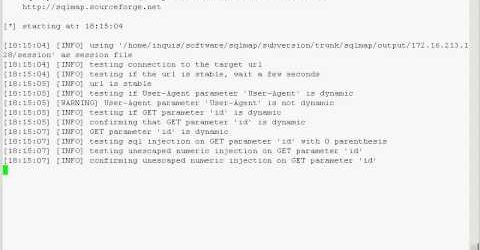
A short introduction to sqlmap. sqlmap is an open source command-line automatic SQL injection tool. Its goal is to detect and take advantage of SQL injection vulnerabilities in web applications. Find more information about this on the original post
MySQL Replication – Audit, Test & Verify
Published February 5th, 2009 Under Configuration Management | Leave a Comment
MySQL replication is fairly easy to set up, but in the real world many obstacles can get in the way of keeping it up and running smoothly. One problem is the slaves getting out of sync with the master. If you’re lucky you’d be alerted with an error in your slave log file, and can then track down that problem. But sometimes it drifts out of sync silently. Both are situations you want to avoid. Sean Hull talks about why this happens, both in terms of things that happen in the application and in MySQL’s implementation of statement-based replication. Then he shares a method to eliminate the problem by testing and verifying your current setup.
Effective Test Driven Database Development
Published November 24th, 2008 Under Uncategorized | Leave a Comment
Although test-driven development is now considered common sense in the OO world, it is very rare in database development. This session looks at the reasons behind that and presents solutions and best practices for test-driven database development. Database testing is analysed from two aspects: unit-testing in the database (stored procedures,views) and integration testing from the object service/web layer down to the database. This session is aimed at database developers,technical architects and Java/.NET developers working on enterprise applications. In this talk, Gojko Adzic look at why test-driven development is rarely used in database development. He will discuss the reasons behind this and present solutions and best-practises for test-driven database development.
Links and slides from the “Effective Test Driven Database Development†talk
Agile Database Techniques: Data Doesn’t Have To Be A Four-Letter Word Anymore
Published March 3rd, 2008 Under Uncategorized | Leave a Comment
Data is clearly an important aspect of software-based systems, a fact that the information technology (IT) industry has understood for decades, yet many agile development teams are struggling to involve data professionals within their projects. The Agile Data (AD) methodology defines a philosophical framework for data-oriented activities within agile projects, defining ways that application developers and data professionals can work together effectively. However, philosophy isn’t enough, you also need proven techniques which support those philosophies. In this presentation Scott Ambler discusses techniques for agile database development, including: database refactoring, Agile-Model Driven Development (AMDD), Test-Driven Design (TDD), and environment/tool strategies.
RSS
Twitter
Facebook